
The Future of Electromobility in the UAE: Driving Towards a Sustainable Tomorrow
The United Arab Emirates (UAE) has long been recognized for its rapid development, ambitious infrastructure projects, and strategic positioning as a global business hub. As the world shifts toward sustainable energy and environmental responsibility, the UAE is embracing the future of electromobility with impressive zeal. Electromobility, which encompasses electric vehicles (EVs), electric public transportation, and the associated charging infrastructure, is poised to transform the nation’s transportation landscape. This blog post explores the future of electromobility in the UAE, highlighting the current trends, government initiatives, challenges, and the promising outlook for a cleaner, greener tomorrow.
Current Landscape of Electromobility in the UAE
The UAE’s interest in electromobility has gained significant momentum in recent years. With increasing awareness of climate change and the environmental impact of fossil fuels, the government and private sector have started investing heavily in electric vehicles and supporting infrastructure. Dubai, Abu Dhabi, and other emirates are witnessing a gradual rise in EV adoption, with more models becoming available in showrooms and growing consumer interest.
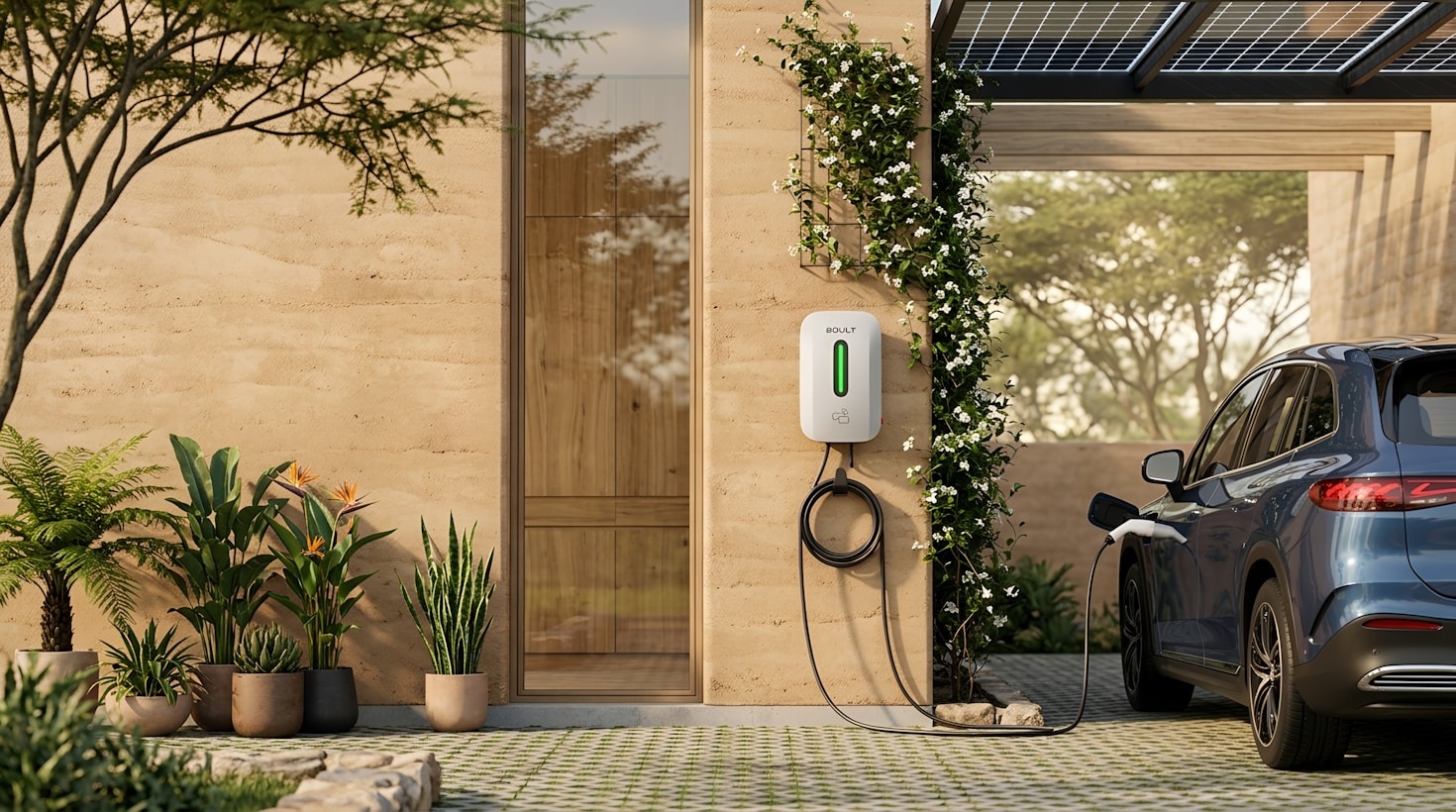
Charging infrastructure, a critical component for widespread EV adoption, is expanding across the country. Public charging stations are being installed in malls, parking lots, residential communities, and along major highways, making it more convenient for residents and visitors to use electric vehicles. Additionally, the UAE’s sunny climate provides an excellent opportunity to integrate solar energy with EV charging, making the entire ecosystem more sustainable.
Government Initiatives and Vision
The UAE government has been proactive in promoting sustainable transportation solutions as part of its broader environmental and energy strategies. The UAE Vision 2021 and the Dubai Clean Energy Strategy 2050 emphasize reducing carbon emissions and increasing the share of clean energy in the overall energy mix. Electromobility is a crucial element in achieving these goals.
Dubai’s Roads and Transport Authority (RTA) has launched several initiatives, such as providing incentives for purchasing EVs, establishing extensive charging infrastructure, and incorporating electric buses into the public transport fleet. The RTA’s “Green Charger” project aims to install hundreds of fast-charging stations across Dubai, enabling longer-distance travel and reducing range anxiety.
Abu Dhabi, through its Department of Energy, also supports EV adoption by offering rebates and exemptions on registration fees, tolls, and parking. The emirate is exploring partnerships with global EV manufacturers and technology providers to foster innovation and accelerate the transition to electric mobility.
Private Sector and Market Growth
The private sector in the UAE is playing a pivotal role in the electromobility revolution. Automakers, dealerships, and startups are introducing a variety of electric vehicles, from passenger cars and SUVs to electric bikes and scooters. Tesla, Nissan, BMW, and other international brands have expanded their presence in the UAE market, offering models tailored to local preferences.
Moreover, local companies are investing in EV infrastructure and services, including charging station networks, battery swapping technologies, and smart mobility solutions. This ecosystem development is vital for creating a robust market that supports user convenience and reliability.
The rise of car-sharing platforms and ride-hailing services with electric fleets further accelerates the adoption of electromobility. These services introduce more people to EVs and demonstrate their practicality and cost-effectiveness.
Challenges to Overcome
Despite the promising outlook, several challenges remain in the widespread adoption of electromobility in the UAE. The high upfront cost of electric vehicles compared to traditional petrol or diesel cars is a significant barrier for many consumers. Although government incentives help offset this cost, further measures may be necessary to make EVs more affordable.
The limited range of some electric vehicles and the time required for charging can deter potential buyers, particularly those who travel long distances. Expanding fast-charging infrastructure and developing battery technologies with higher capacity and faster recharge times are critical to overcoming these obstacles.
Public awareness and education about the benefits and practicalities of EV ownership are still evolving. Some consumers remain skeptical about the reliability, maintenance costs, and resale value of electric vehicles. Increased marketing efforts, test-drive programs, and community engagement can help shift perceptions.
The integration of renewable energy with EV charging infrastructure is also in its nascent stages. To maximize environmental benefits, the UAE must continue investing in solar and other renewable sources to power electric vehicles sustainably.
Future Outlook: A Sustainable and Connected Mobility Ecosystem
Looking ahead, the future of electromobility in the UAE is bright and full of potential. The country’s strategic vision, technological advancements, and growing environmental consciousness will drive the transition toward electric transportation.
The next decade is likely to see a significant increase in electric vehicle market share, supported by improved battery technologies, cost reductions, and a comprehensive charging network. Autonomous electric vehicles and smart mobility solutions will integrate with the UAE’s digital infrastructure, creating efficient, safe, and eco-friendly transportation options.
Public transportation systems will increasingly rely on electric buses and trams, reducing urban pollution and improving air quality. The integration of renewable energy into charging stations will further enhance the sustainability of the mobility ecosystem.
Moreover, the UAE could emerge as a regional hub for electromobility innovation, manufacturing, and export, leveraging its strategic location and business-friendly environment.
The future of electromobility in the UAE is not just about adopting electric vehicles; it represents a broader commitment to sustainability, technological innovation, and enhanced quality of life. With continued government support, private sector engagement, and public acceptance, the UAE is well on its way to becoming a global leader in clean and smart transportation. As the nation accelerates toward this electrified future, residents and visitors alike can look forward to cleaner air, quieter streets, and a more sustainable environment for generations to come.
Leave a Reply