
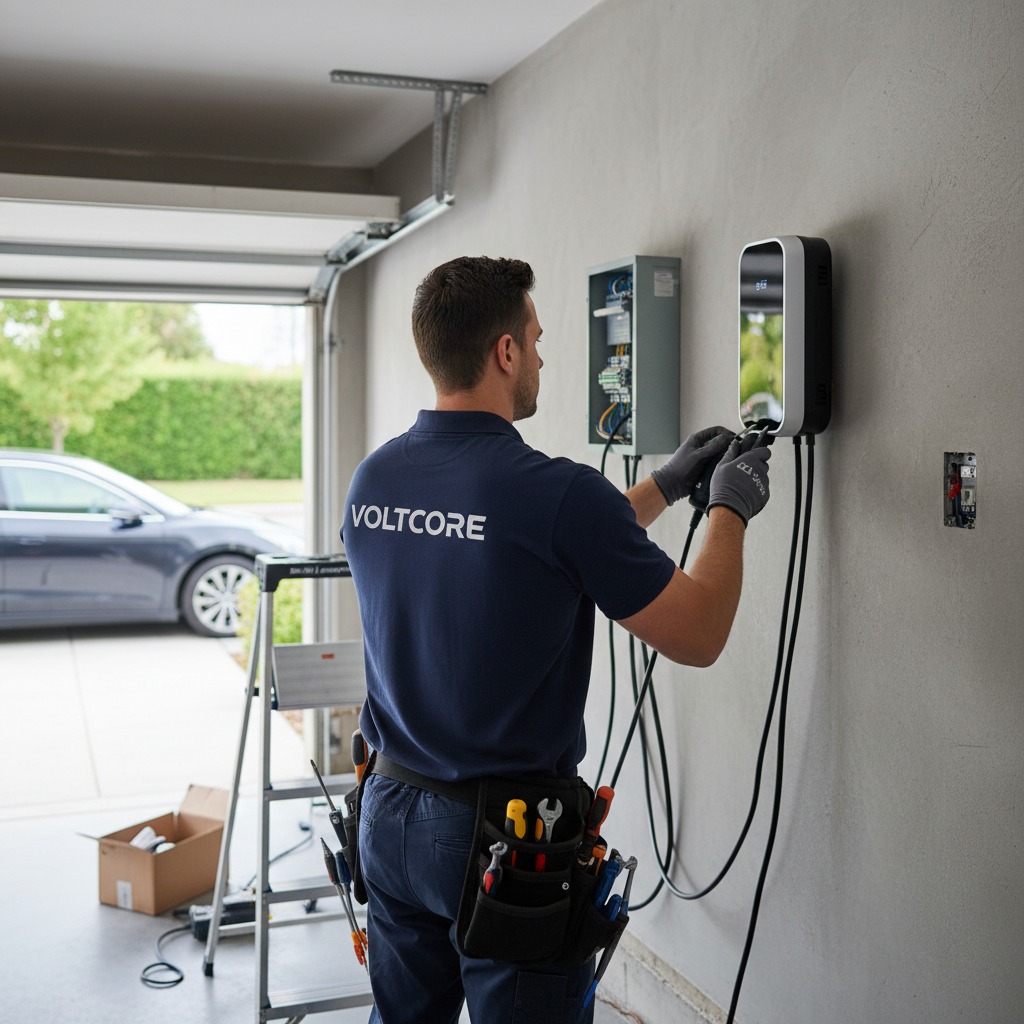
As electric vehicles (EVs) become increasingly popular across the UAE, having a reliable charging solution at home is becoming an important part of EV ownership. While public charging stations are widely available, a home EV charger offers the convenience of charging your vehicle overnight or whenever it is parked at home.
However, choosing the right charger is not simply about picking the fastest option. Your vehicle, home electrical system, parking setup, daily driving habits, and charging requirements all play a role in determining which charger is right for you.
Here are the key factors to consider when choosing an EV charger for your home in the UAE.
1. Understand Your EV’s Charging Requirements
The first step is to check your vehicle manufacturer’s recommended charging specifications.
Different electric vehicles support different charging speeds and connector types. Your vehicle’s onboard charger also determines how much AC power it can accept.
Before purchasing a home charger, check:
- Your EV’s maximum AC charging capacity
- Compatible charging connector
- Recommended charging power
- Battery capacity
- Manufacturer charging recommendations
Choosing a charger that matches your vehicle’s capabilities can help you get efficient and reliable charging without paying for unnecessary power capacity.
2. Choose the Right Charging Speed
Home EV chargers are commonly available in different power levels, and the right choice depends on how quickly you need to recharge your vehicle.
A lower-powered charger may be sufficient if you drive relatively short distances each day and leave your vehicle parked overnight. A higher-powered charger can be more suitable for drivers who travel frequently and need to replenish their battery faster.
For many homeowners, an AC Level 2 charger provides a practical balance between charging speed and everyday home use.
The goal is not necessarily to choose the most powerful charger available. Instead, choose a charging speed that fits your daily driving routine and your vehicle’s charging capacity.
3. Check Your Home’s Electrical Capacity
Before installing an EV charger, your home’s electrical system needs to be assessed.
A powerful charger can require significantly more electrical capacity than ordinary household appliances. An electrical assessment can determine whether your existing supply can safely support the charger or whether additional electrical work is required.
A professional installer can evaluate:
- Available electrical capacity
- Distribution board capacity
- Cable requirements
- Circuit protection
- Earthing
- Installation location
- Overall electrical safety
This step is particularly important because EV chargers may operate for several hours and draw substantial electrical power.
4. Consider Where You Park Your EV
Think about where your vehicle is normally parked.
If you have a private garage, installing a wall-mounted charger may be convenient. If your vehicle is parked outdoors, you should consider a charger designed for the relevant environmental conditions and ensure that the installation is properly protected.
The location of the charger also affects cable length and installation requirements.
Ideally, the charger should be positioned where you can connect it to your vehicle easily without creating a trip hazard or obstructing your parking area.
5. Look for Smart Charging Features
Modern home EV chargers can offer more than simply supplying electricity to your vehicle.
Depending on the model, smart charging features may allow you to monitor charging, schedule charging sessions, manage energy consumption and control the charger through a connected application.
Scheduled charging can be especially useful for homeowners who want greater control over when their vehicle charges.
Smart charging can also become increasingly valuable as EV ownership grows and households begin combining EV charging with other energy technologies.
6. Don’t Ignore Safety Features
Safety should always be a priority when installing an EV charger at home.
Look for a charger with appropriate electrical protection and safety features, and make sure installation is carried out by a qualified professional.
The installation should take into account the electrical load, protection devices, cable sizing, earthing and applicable UAE requirements.
A professionally installed charger provides greater confidence that your home charging setup is designed for safe and dependable everyday use.
7. Think About Your Future Needs
Your current EV may not be the only electric vehicle you own.
If you are planning to keep your charger for several years, consider whether your future vehicle could have a larger battery or support faster charging.
It can also be useful to consider whether you may eventually need additional charging points at your property.
Planning ahead can help you choose an installation that remains useful as your EV needs change.
8. Consider Installation and Maintenance
The cost of an EV charger is only one part of the overall investment. Installation requirements can vary depending on the distance between your electrical panel and parking space, the type of building, cable routing and electrical capacity.
A professional EV charging provider can assess your property and recommend a suitable installation.
Regular inspection and maintenance can also help ensure that your charger continues to operate reliably over time.
Why Home EV Charging Makes Sense in the UAE
For many EV owners in the UAE, home charging offers a convenient alternative to relying entirely on public charging infrastructure.
Instead of making a separate trip to charge your vehicle, you can plug it in when you return home and have it ready for your next journey.
This convenience can make everyday EV ownership easier, particularly for drivers with predictable daily travel patterns.
Choose the Charger That Fits Your Lifestyle
The best home EV charger is not necessarily the fastest or most expensive model. It is the one that matches your vehicle, electrical system, parking arrangement and everyday driving requirements.
Before making a decision, consider the charger’s power output, connector compatibility, smart features, safety specifications, installation requirements and potential future needs.
With the right professional guidance, installing an EV charger at home can be a straightforward way to make electric vehicle ownership more convenient.
Ready to find the right home EV charging solution for your UAE property? Contact Voltcore Energy for professional guidance and EV charger installation tailored to your requirements.
Leave a Reply